
Aluminum Anodizing Equipment & Production Lines
Complete anodizing solutions from a single source — Type I chromic, Type II sulfuric and Type III hard anodizing. Architectural profile lines, color anodizing and hardcoat systems for aerospace, automotive and consumer products.
Complete Anodizing Solutions
Anodizing is an electrochemical process that converts the aluminum surface into a hard, protective aluminum oxide layer. Unlike electroplating, it doesn't deposit a coating — it grows the oxide into the metal itself. We supply turnkey lines for all three anodizing types.
Anodizing Types We Supply
Classified per MIL-A-8625 — each type serves different applications
Chromic Acid Anodizing (CAA)
Thin, dense oxide film (0.5-8 μm) with minimal dimensional change. Excellent paint adhesion. Used on aerospace precision parts and welded components where exact dimensions matter. Boric-sulfuric alternative available for Cr6+ restrictions.
Thickness: 0.5-8 μm · Bath: 30-40°C · 10-30V
Sulfuric Acid Anodizing (SAA)
The most common type. Porous, transparent film (5-30 μm) that readily absorbs dyes for color anodizing. Best balance of corrosion resistance, wear protection and cost. The standard for architectural aluminum and consumer products.
Thickness: 5-30 μm · Bath: 18-25°C · 12-20V
Hard Anodizing (Hardcoat)
Thick, extremely hard coating (13-150 μm, HV 400-800) applied in near-freezing baths (0-10°C). Harder than most steels. Exceptional wear and abrasion resistance. For hydraulic cylinders, gears, pistons, molds and aerospace components.
Thickness: 13-150 μm · Bath: 0-10°C · up to 100V
Color Anodizing & Sealing
Electrolytic coloring (tin/nickel salts producing bronze, champagne, black) or organic dyeing for multicolor finishes. Hot water or nickel acetate sealing closes micropores for durability and corrosion resistance.
Colors: bronze, champagne, black, custom · Sealing: hot water / nickel acetate
Anodizing Type Comparison
Choose the right anodizing type for your application
| Parameter | Type I (Chromic) | Type II (Sulfuric) | Type III (Hard) |
|---|---|---|---|
| Electrolyte | 3-10% chromic acid | 15-20% sulfuric acid | 10-15% sulfuric acid |
| Bath Temperature | 30 - 40°C | 18 - 25°C | 0 - 10°C |
| Voltage | 10 - 30V | 12 - 20V | Up to 100V |
| Coating Thickness | 0.5 - 8 μm | 5 - 30 μm | 13 - 150 μm |
| Hardness | Low | 200 - 400 HV | 400 - 800 HV |
| Color | Gray-brown | Transparent, dyeable | Dark gray-black |
| Dimensional Change | Minimal | ~33% outward | ~50% outward |
| Key Applications | Aerospace precision, welding | Architectural, consumer, color | Hydraulic, molds, wear parts |
Anodizing Special Equipment Requirements
Anodizing needs equipment that electroplating doesn't — get these right or the oxide layer fails
Chiller / Cooling System
Critical! Hard anodizing requires bath temperatures near freezing (0-10°C). High current densities generate intense heat (Joule heating) — without forced circulation chillers, the oxide dissolves and "burns." Titanium heat exchangers with ±1°C accuracy.
Titanium Racking
Titanium racking is essential — aluminum racks form oxide at contact points causing electrical resistance and sparking. Titanium resists sulfuric acid and maintains conductivity. Titanium-clad copper for higher current capacity.
Higher Voltage Rectifier
Anodizing needs higher voltages than plating: up to 100V for Type III hardcoat. High-frequency rectifier with constant current/constant voltage (CC/CV) control. The "Rule of 720" (720 amp-min per mil per sq ft) governs coating time.
Dyeing & Sealing Tanks
Dedicated electrolytic coloring tanks (tin/nickel salts) and organic dye tanks for color anodizing. Hot water (~210°F) or nickel acetate sealing tanks close the micropores — essential for corrosion resistance and colorfastness.
Recommended Equipment for Anodizing
Anodizing lines are configured for profiles or precision parts
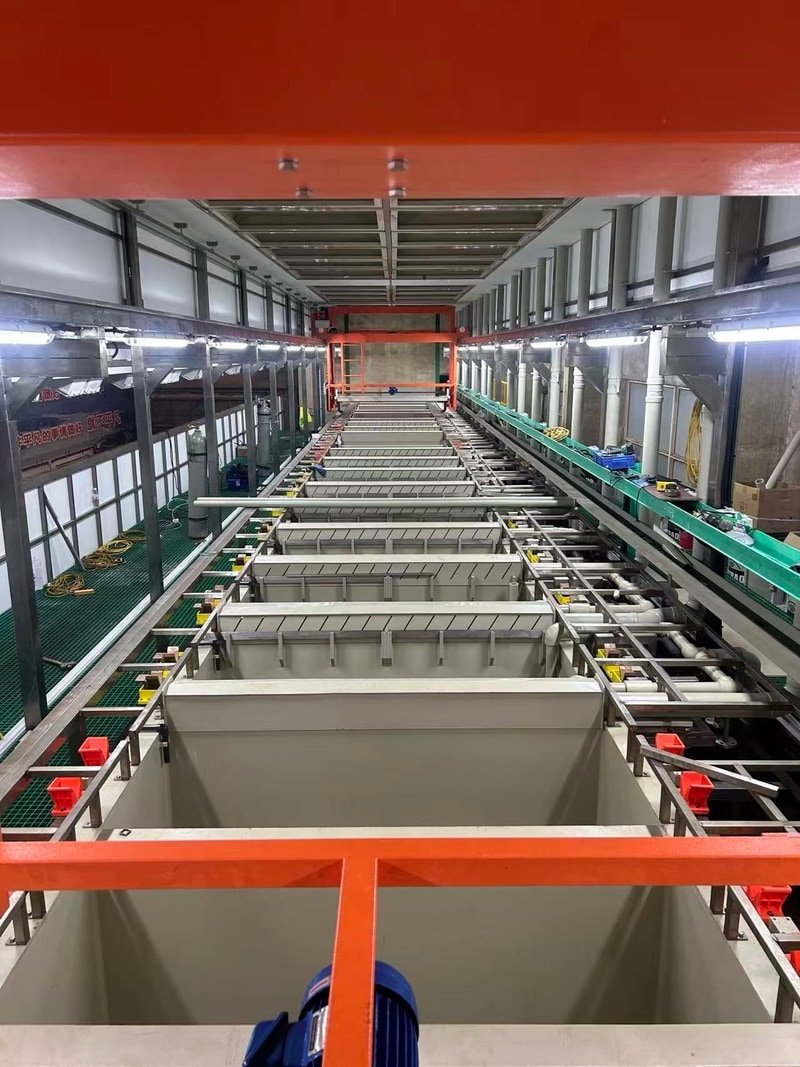
Automatic Anodizing Line
PLC-controlled line for aluminum profiles & precision parts. Full process: degrease, etch, anodize, color, seal. Vertical or horizontal configurations.
Learn More →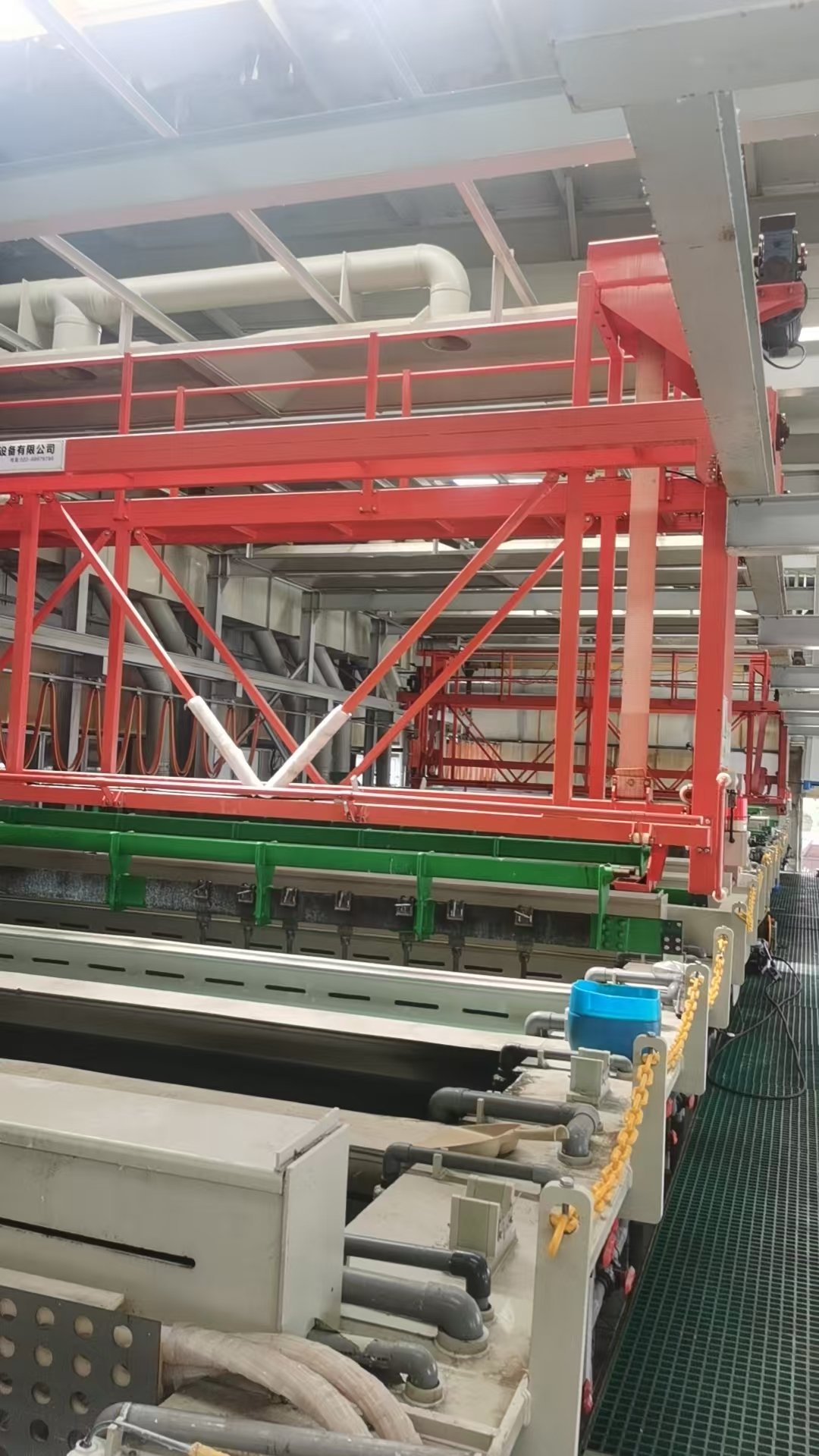
Hard Anodizing Line
Specialized line with near-freezing chillers, high-voltage rectifiers (up to 100V) and forced circulation for Type III hardcoat on aerospace & hydraulic parts.
Learn More →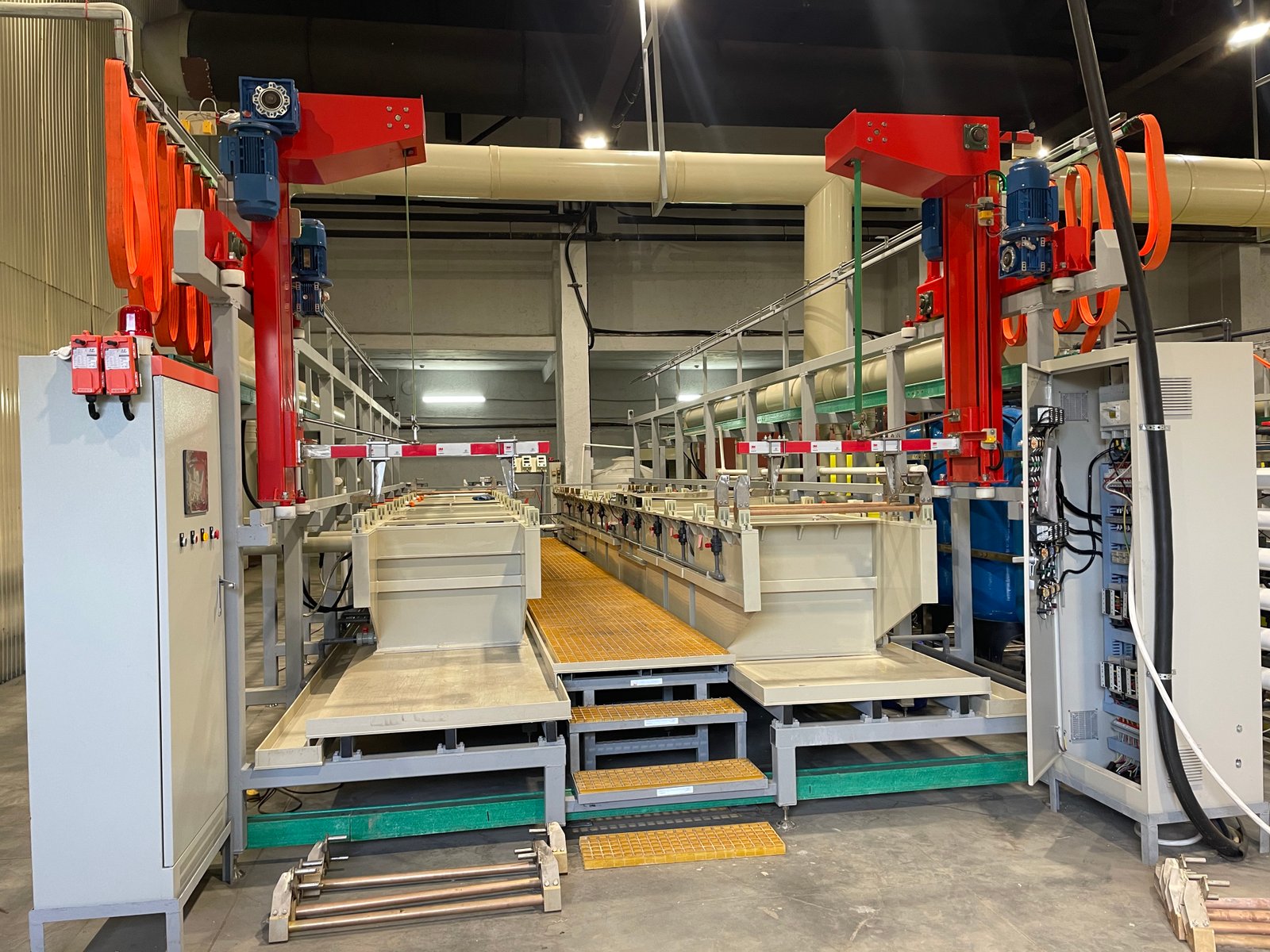
Manual & Semi-Automatic Anodizing Line
Flexible line for small-batch anodizing of irregular parts. Manual loading/unloading with semi-automatic process control. Cost-effective for workshops.
Learn More →Anodizing Applications
Anodizing serves critical functions across many industries
Architectural
Aluminum window frames, curtain walls, building profiles
Aerospace
Aircraft structural parts, landing gear, precision components
Automotive
Wheels, trim, engine components, heat sinks
Industrial
Hydraulic cylinders, gears, molds, valves, wear parts
Anodizing Project Images
Photos of our anodizing lines and finished parts
Anodizing Line
Automatic anodizing production line for aluminum profiles.
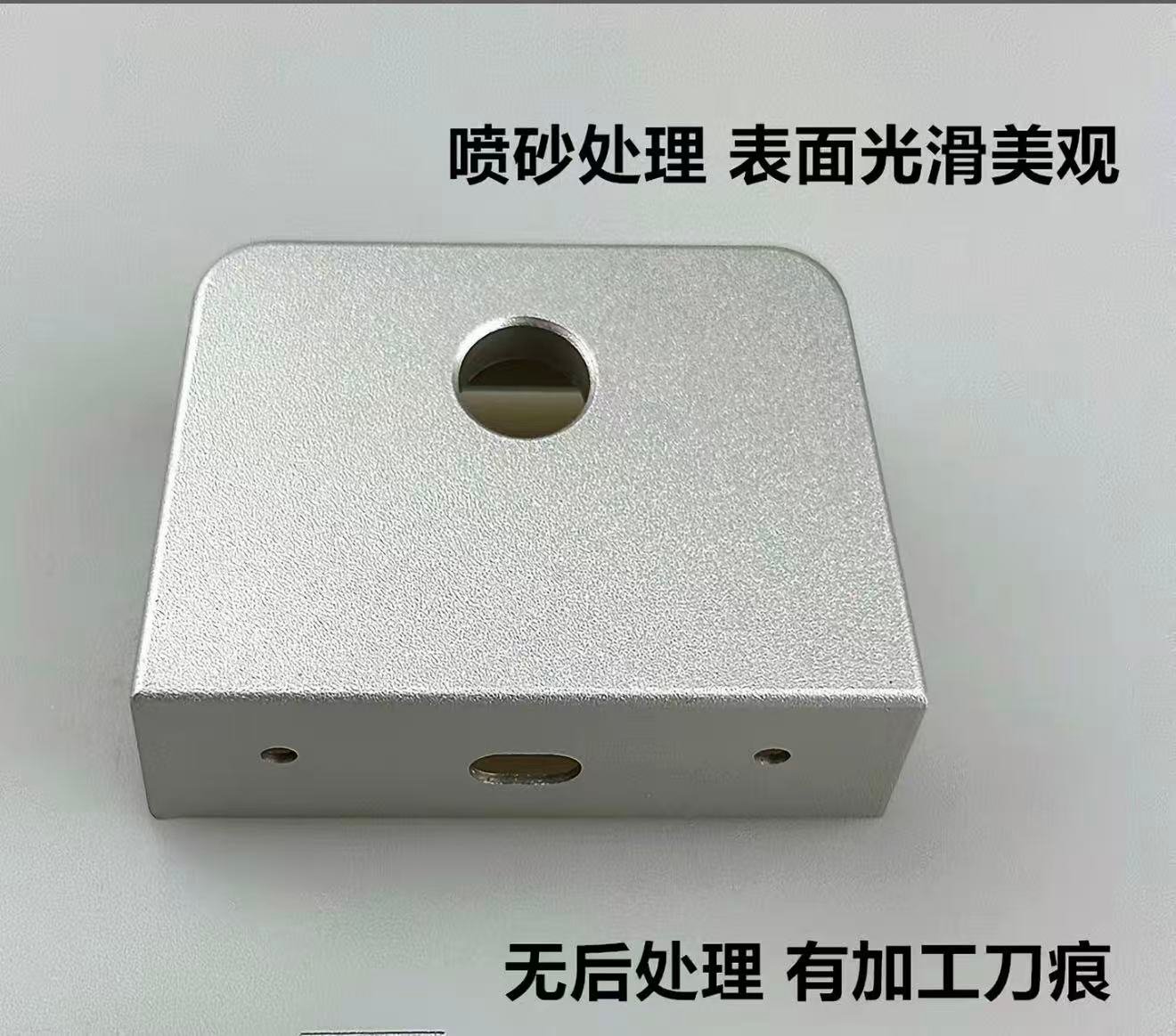
Anodizing & Sandblasting
Aluminum oxidation with sandblasting surface treatment.
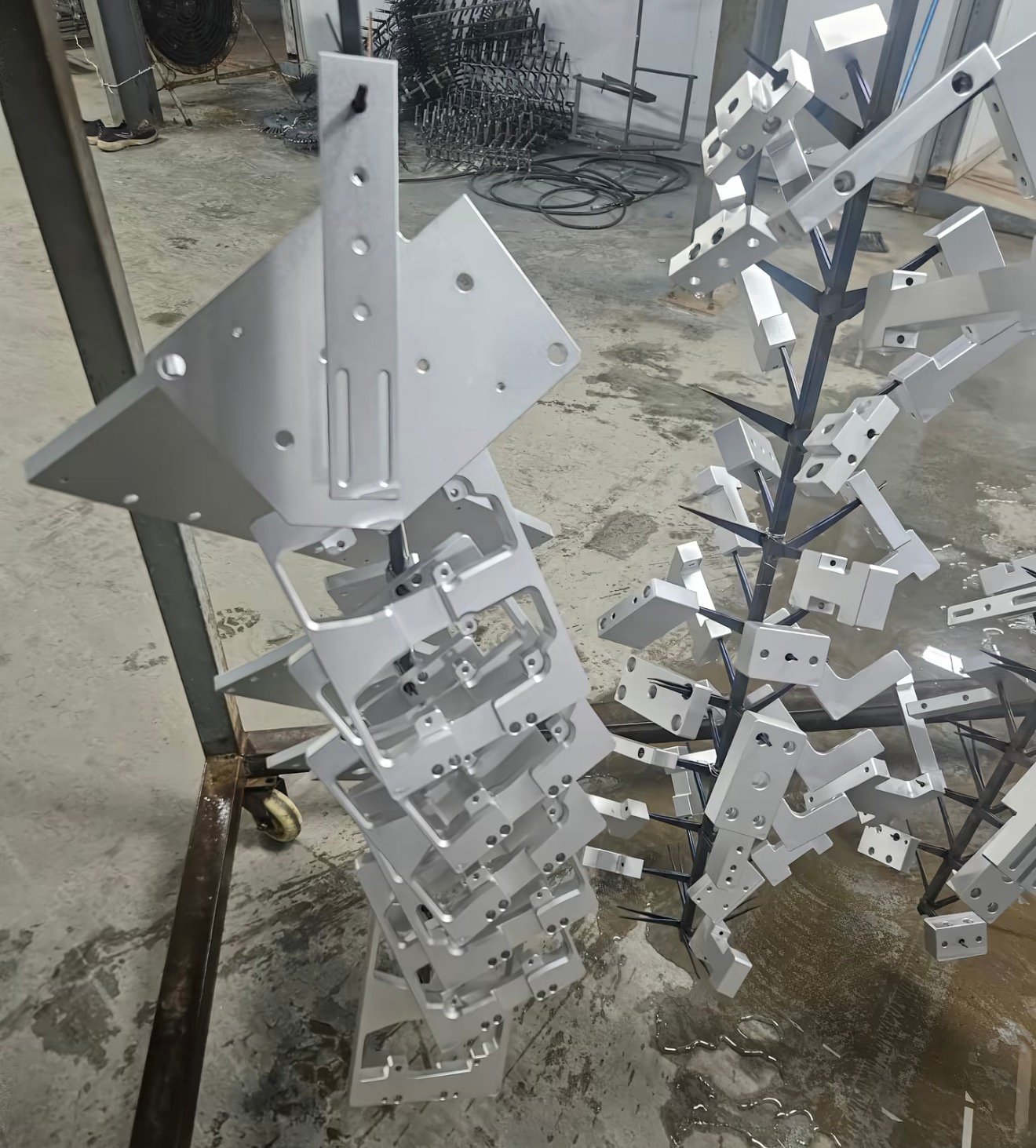
Anodized Products
Aluminum parts with protective anodized coating.
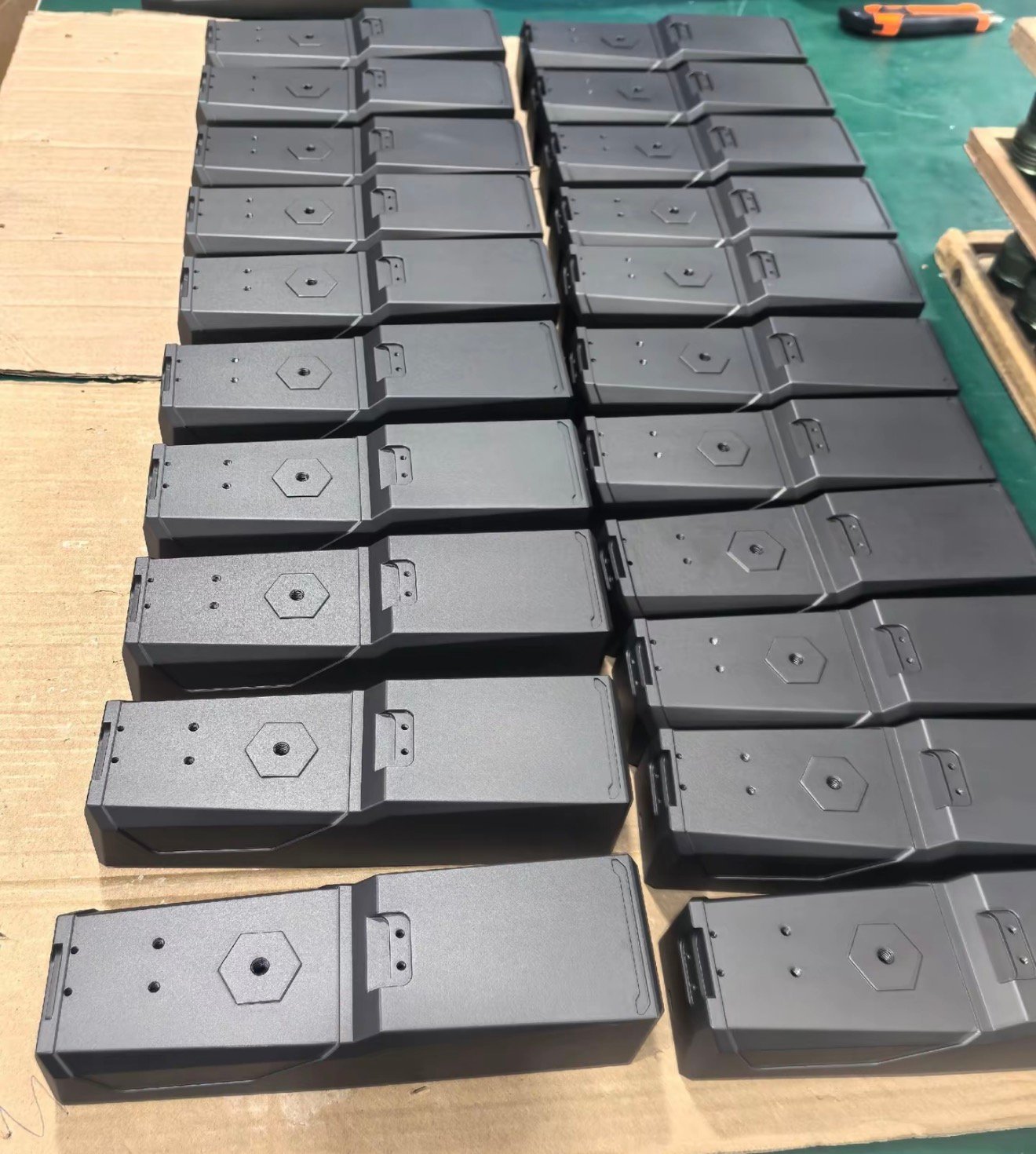
Hard Anodized Products
Type III hardcoat for maximum wear resistance.
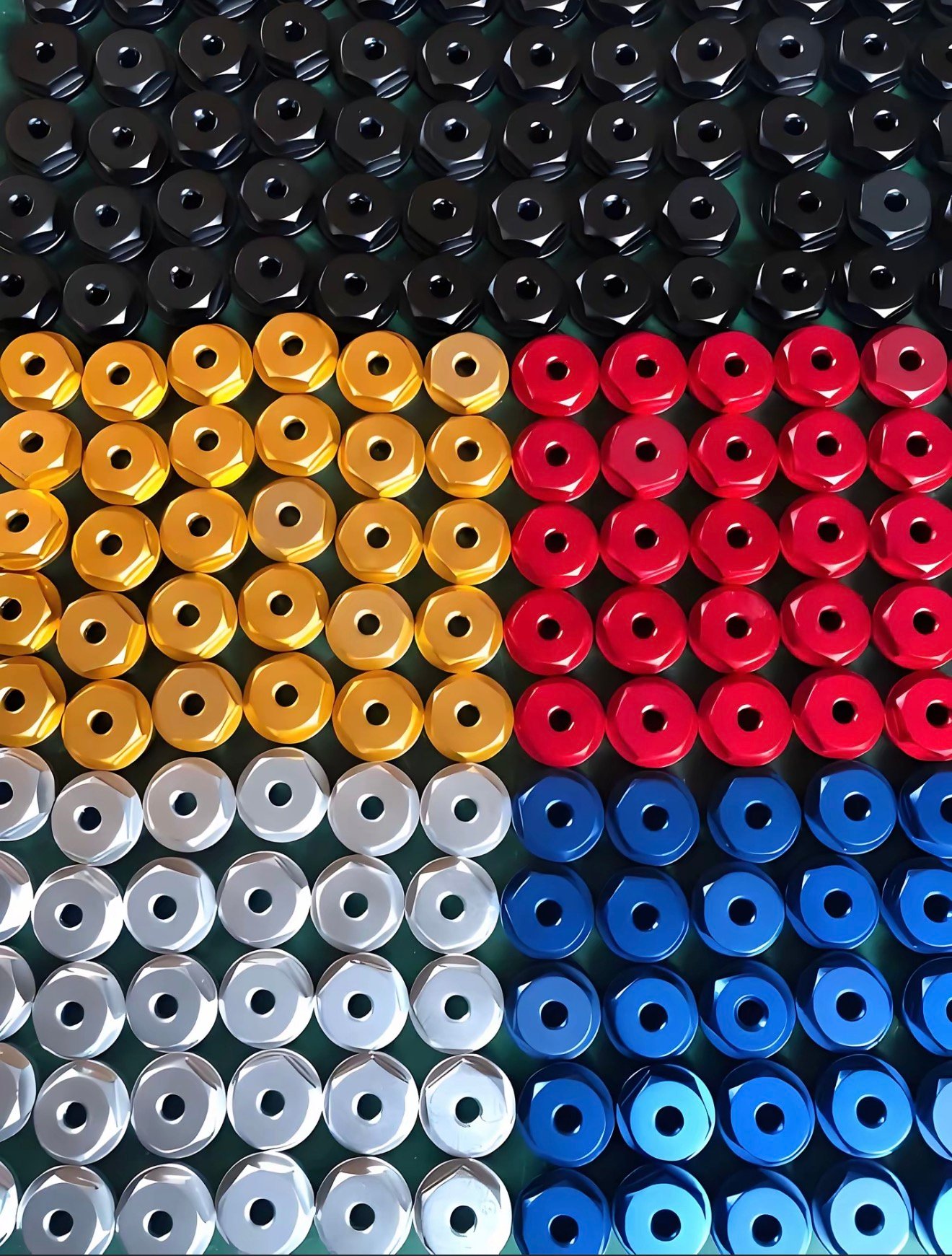
Color Anodizing
Electrolytic coloring for bronze, champagne & black.
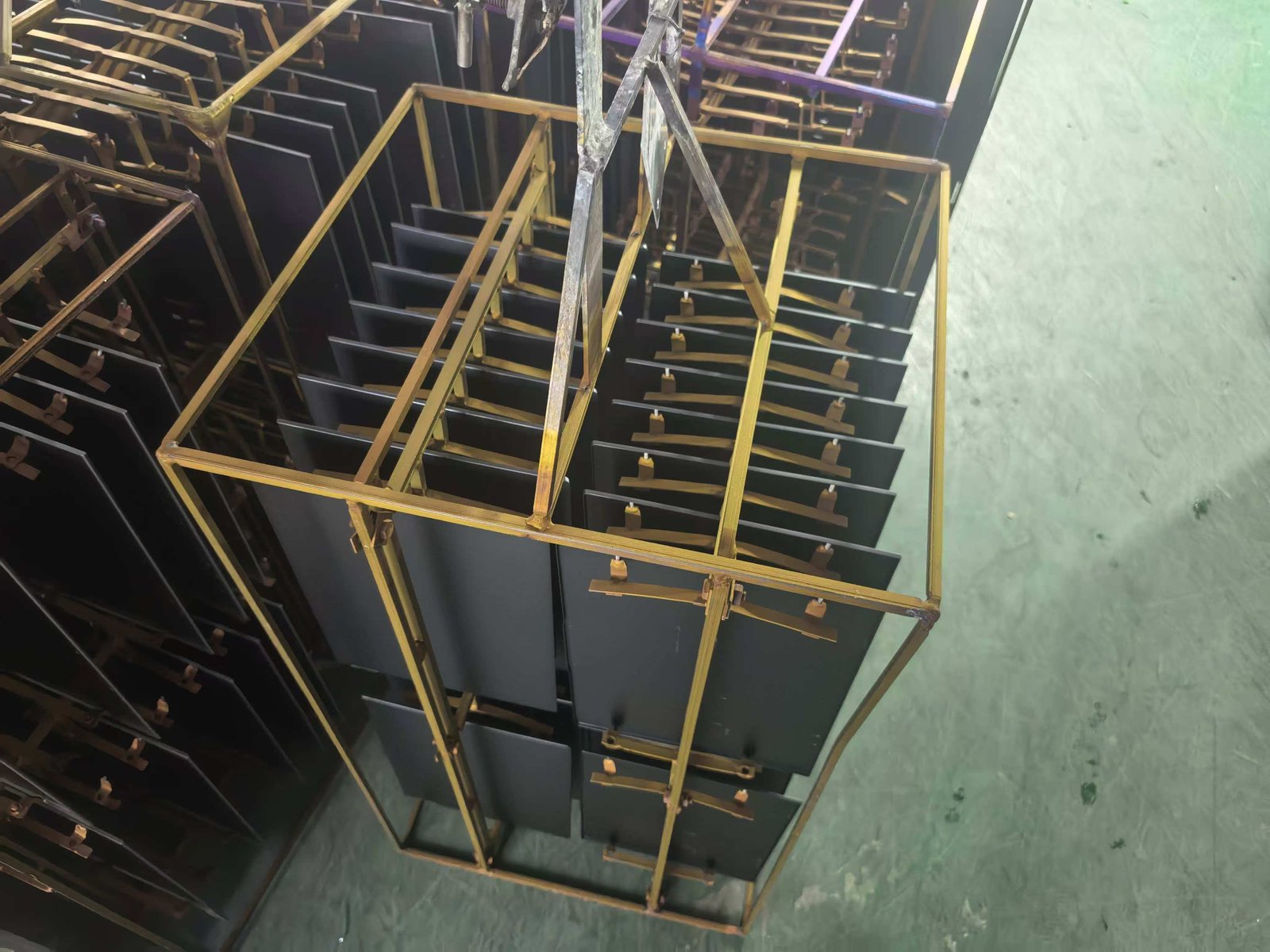
Anodized Computer Casing
Anodized aluminum casings for electronics.
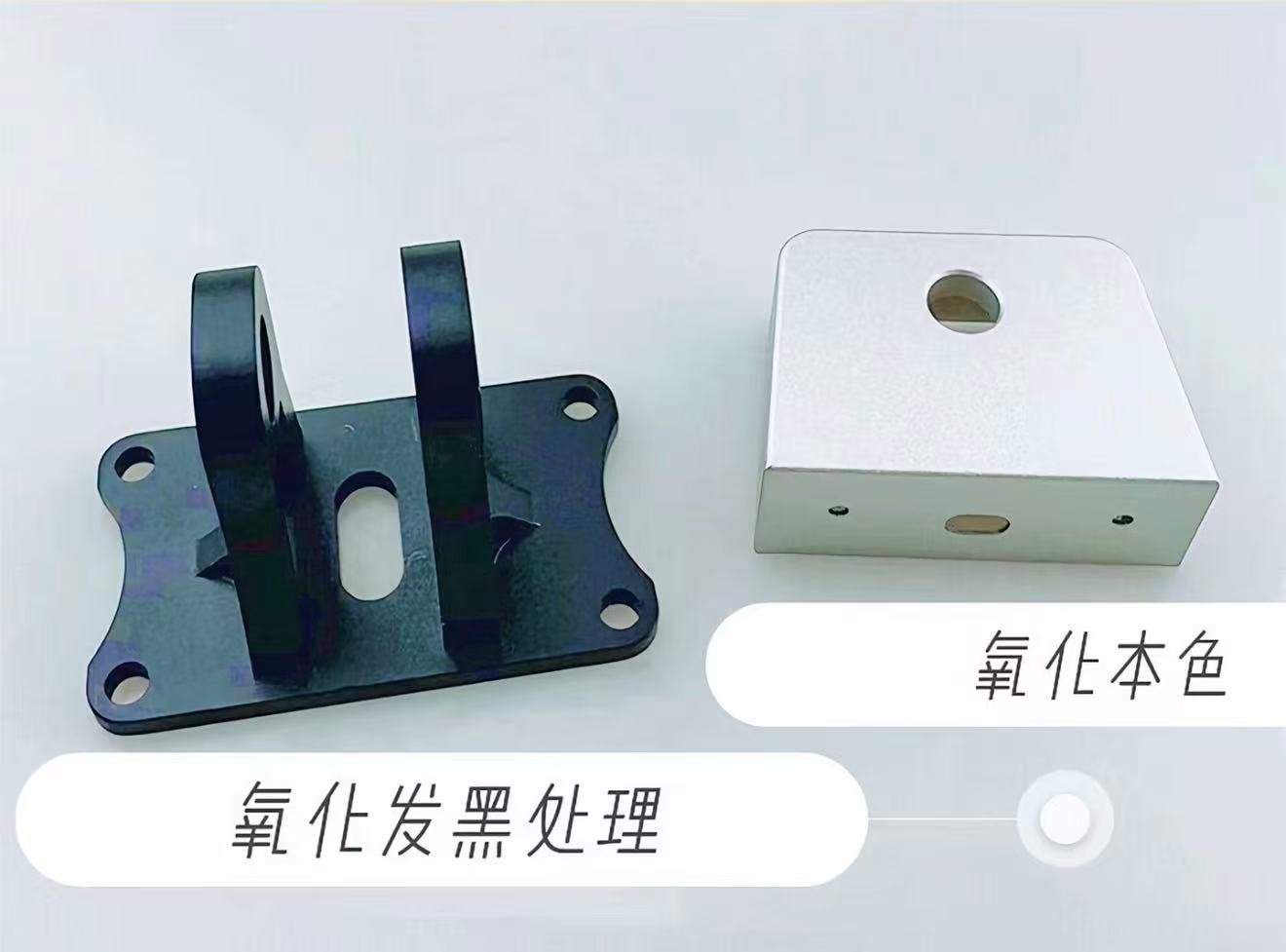
Black Oxide Finish
Black anodized finish for precision components.
Need an Anodizing Line?
Tell us your application — architectural, aerospace or hardcoat. We'll design the right anodizing solution within 24 hours.