
Nickel Plating Equipment & Production Lines
Complete nickel plating solutions from a single source — electroless nickel, electrolytic nickel, and nickel alloy plating systems. Automatic and manual lines for automotive, aerospace, electronics and industrial applications.
Complete Nickel Plating Solutions
Nickel plating is the most widely used surface finishing process in the world, accounting for nearly 30% of the global electroplating market. We provide turnkey nickel plating lines for both electrolytic and electroless processes.
Nickel Plating Processes We Offer
Different applications require different nickel plating processes. We design lines for all major nickel plating types.
Electrolytic Nickel Plating
Traditional electroplating process using an electric current to deposit nickel onto the workpiece surface. Suitable for large volumes and thicker coatings. Offers excellent hardness, wear resistance and corrosion protection.
Typical thickness: 5-50 μm · Best for: automotive, industrial parts
Electroless Nickel Plating (ENP)
Chemical reduction process that deposits nickel-phosphorus alloy without electric current. Provides uniform coating thickness on complex geometries, including internal surfaces and blind holes. Excellent corrosion resistance.
Typical thickness: 0.5-25 μm · Best for: complex shapes, valves, hydraulics
Zinc-Nickel Alloy Plating
Advanced alloy plating offering superior corrosion resistance compared to pure zinc or nickel. Growing rapidly in the automotive industry, especially for EV battery components and brake systems.
Nickel content: 12-15% · Best for: automotive, EV components
Sulfamate Nickel Plating
Low-stress nickel plating process using nickel sulfamate electrolyte. Produces ductile deposits with low internal stress. Preferred for electroforming, aerospace components and repair/rework applications.
Low stress · Best for: electroforming, aerospace, mold repair
Nickel Plating Process Comparison
Key technical differences between the main nickel plating processes
| Parameter | Electrolytic Nickel (Watts) | Electroless Nickel (ENP) | Sulfamate Nickel |
|---|---|---|---|
| Deposition Method | Electric current | Chemical reduction | Electric current |
| Bath Temperature | 40 - 65°C | 85 - 95°C | 35 - 60°C |
| Current Density | 2 - 10 A/dm² | None (no rectifier) | 2 - 10 A/dm² |
| pH Range | 3.5 - 4.5 | 4.0 - 5.5 | 3.5 - 4.5 |
| Typical Thickness | 5 - 50 μm | 0.5 - 25 μm | 5 - 500 μm |
| Deposit Hardness | 150 - 500 HV | 400 - 700 HV | 150 - 250 HV |
| Coating Uniformity | Good on simple shapes | Excellent - all surfaces incl. blind holes | Good, low stress |
| Internal Stress | Moderate | Low (compressive possible) | Very low |
| Key Application | Decorative & corrosion | Complex geometries, valves, hydraulics | Electroforming, aerospace, repair |
Nickel Plating Equipment Essentials
Key equipment components for a reliable nickel plating line
Nickel Anodes
Pure nickel anodes (sulfur-containing depolarized or electrolytic nickel) dissolve to replenish nickel ions. Use titanium anode baskets with anode bags to collect sludge and prevent roughness. Anode-to-cathode ratio typically 1:1 to 2:1.
Rectifier & Control
DC rectifier with constant current (galvanostatic) mode for deposition rate control, or constant voltage for uniform thin layers. High-frequency switching rectifier with low ripple for consistent quality. Voltage typically 6-12V.
Continuous Filtration
Continuous solution filtration is essential to remove anode sludge and particulate. Use 5-20 μm cartridge filters with magnetic drive pumps. Activated carbon filtration periodically removes organic contamination from brightener breakdown.
Heating & Agitation
Watts bath requires heating to 40-65°C. Titanium or PTFE immersion heaters with PID control. Air agitation or cathode rod movement ensures temperature and composition uniformity for consistent deposit quality.
Recommended Equipment for Nickel Plating
Choose the right plating line based on your parts, volume and process requirements.
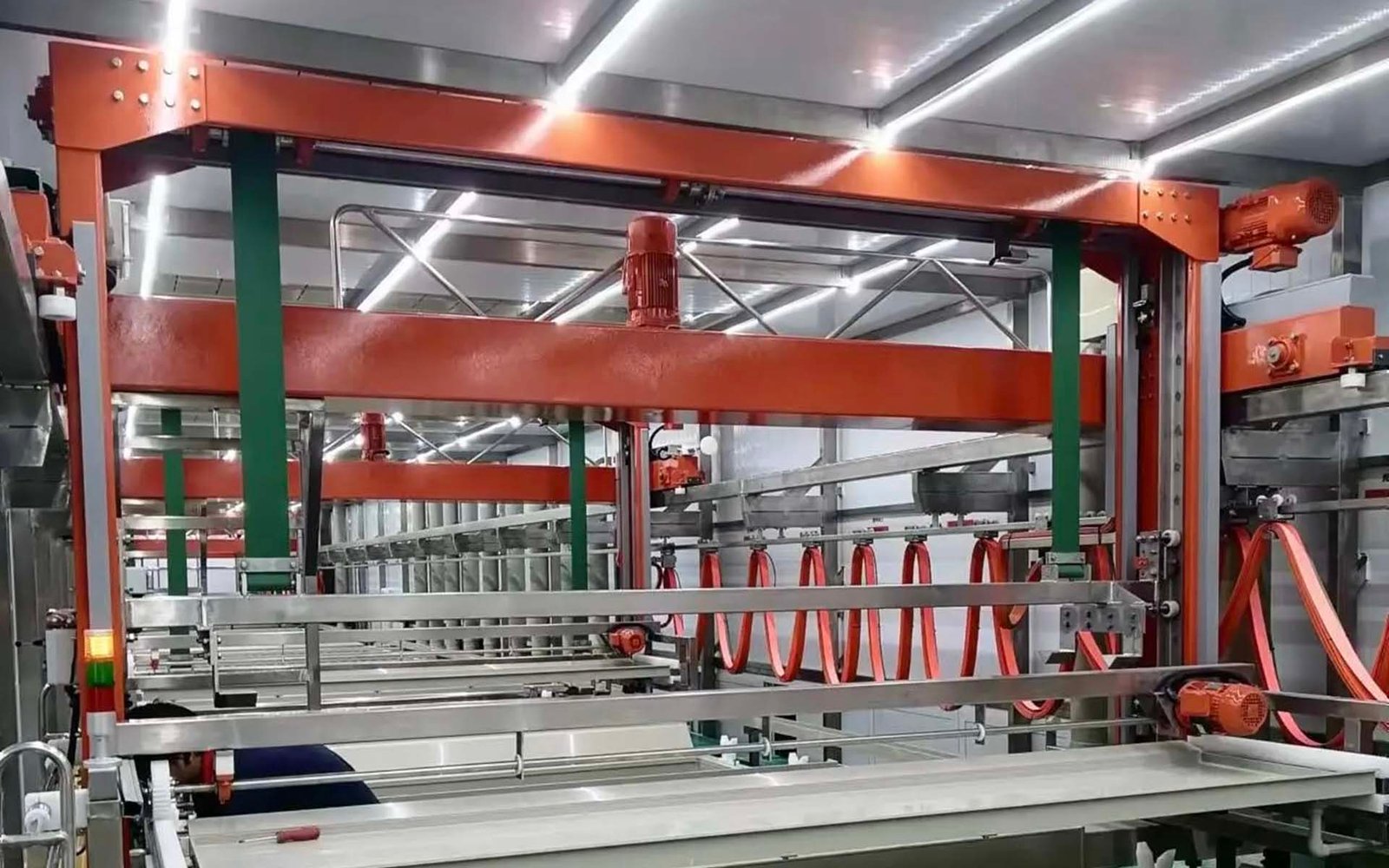
Automatic Gantry Plating Line
PLC-controlled hoist line for high-volume nickel plating. Ideal for automotive parts, large batches. Capacity 50-500m²/day.
Learn More →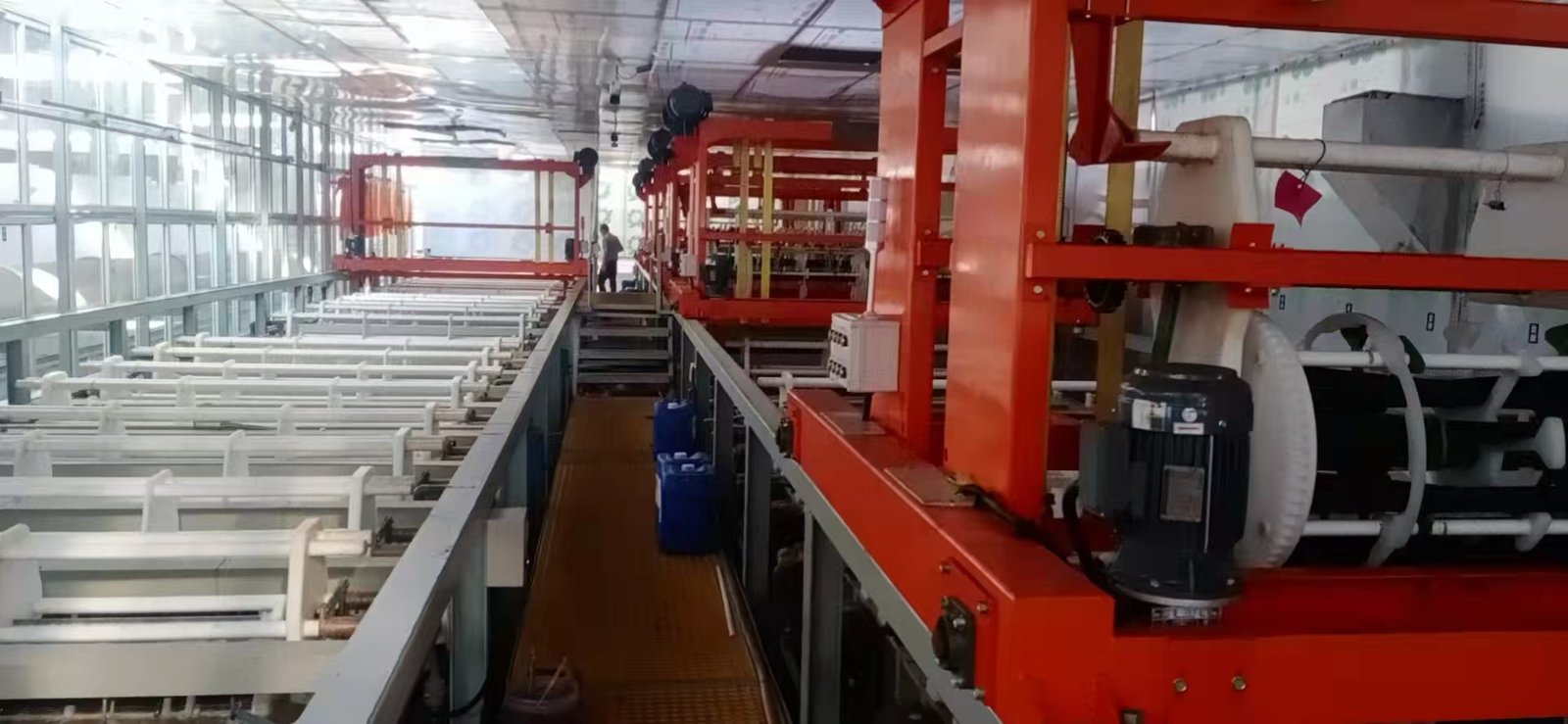
Rotary Barrel Plating Line
High-efficiency barrel system for bulk nickel plating of small parts. 40% higher throughput. Ideal for fasteners, connectors.
Learn More →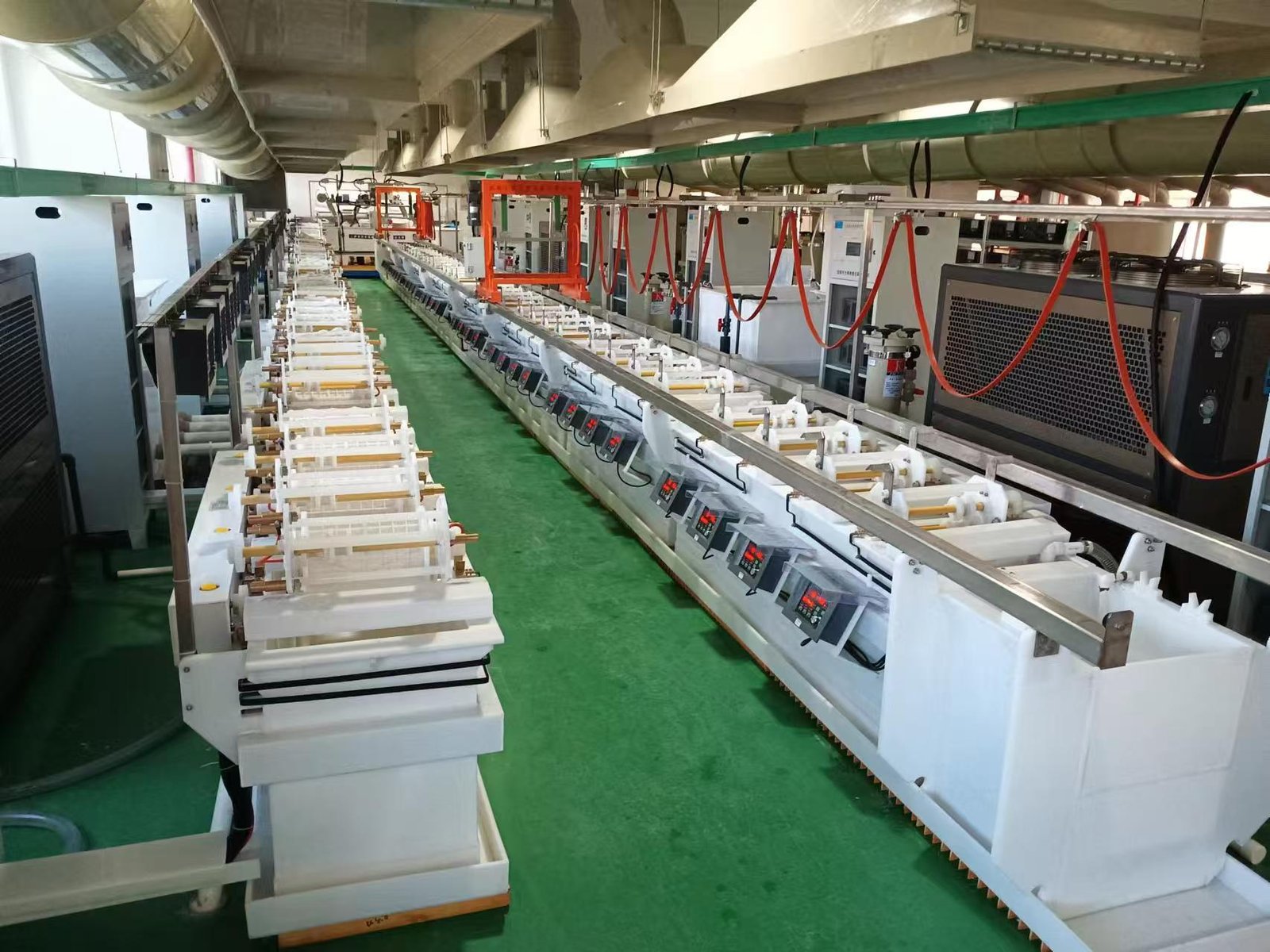
Manual & Semi-Automatic Plating Line
Flexible, low-cost solution for small-batch nickel plating. Ideal for multi-variety production, precious metals and complex parts.
Learn More →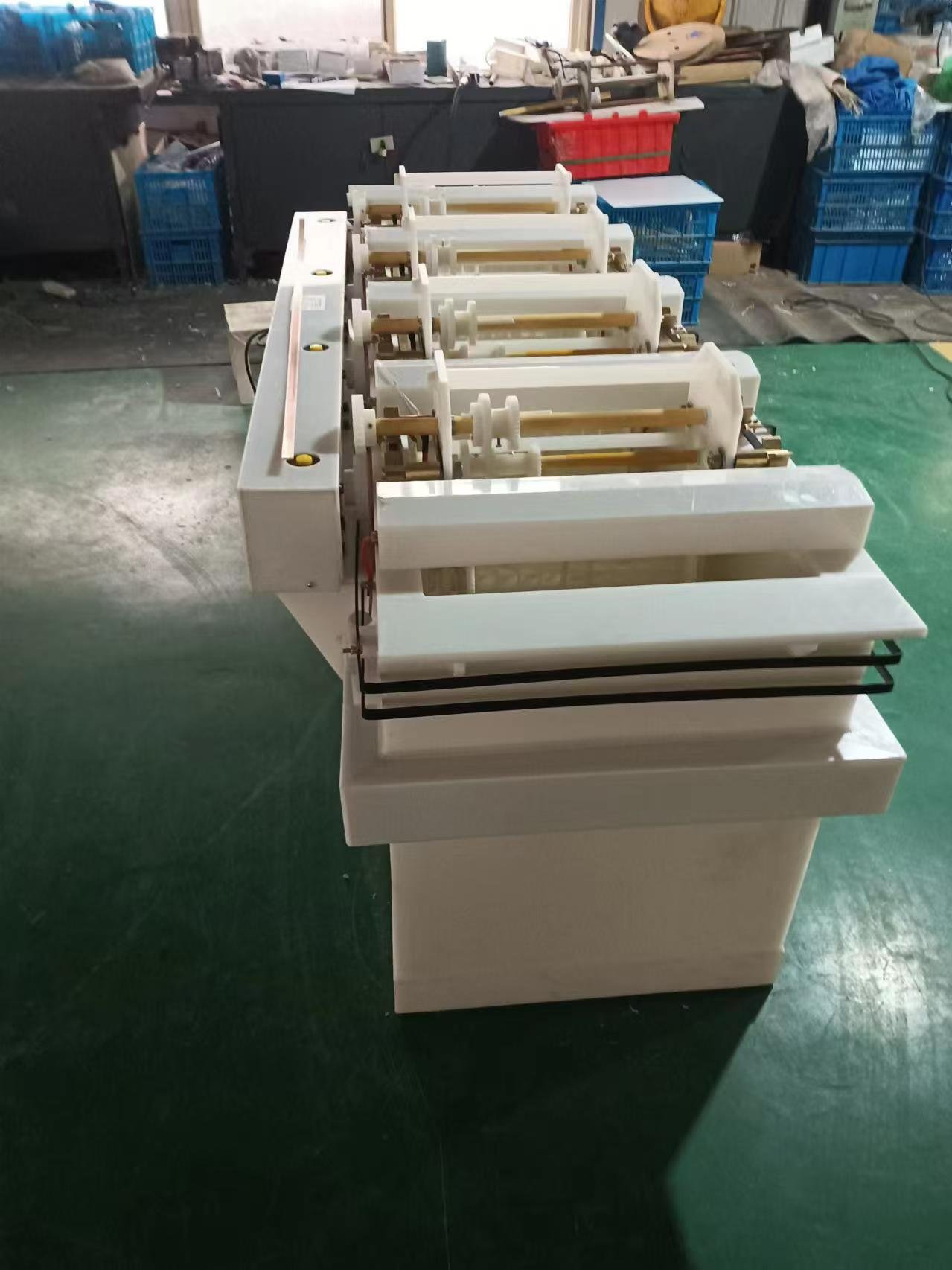
Miniature & Portable Barrel Plating
Compact benchtop systems for small batch nickel plating. Perfect for labs, R&D and precious metal nickel plating.
Learn More →Nickel Plating Applications
Nickel plating serves critical functions across a wide range of industries
Automotive
Brake components, engine parts, EV battery connectors, trim, fasteners
Aerospace
Landing gear, turbine components, hydraulic systems, actuators
Electronics
Connectors, PCBs, semiconductor components, EMI shielding
Industrial
Hydraulic cylinders, valves, pumps, molds, rollers, tools
Nickel Plating Project Images
Photos of our nickel plating lines and finished parts
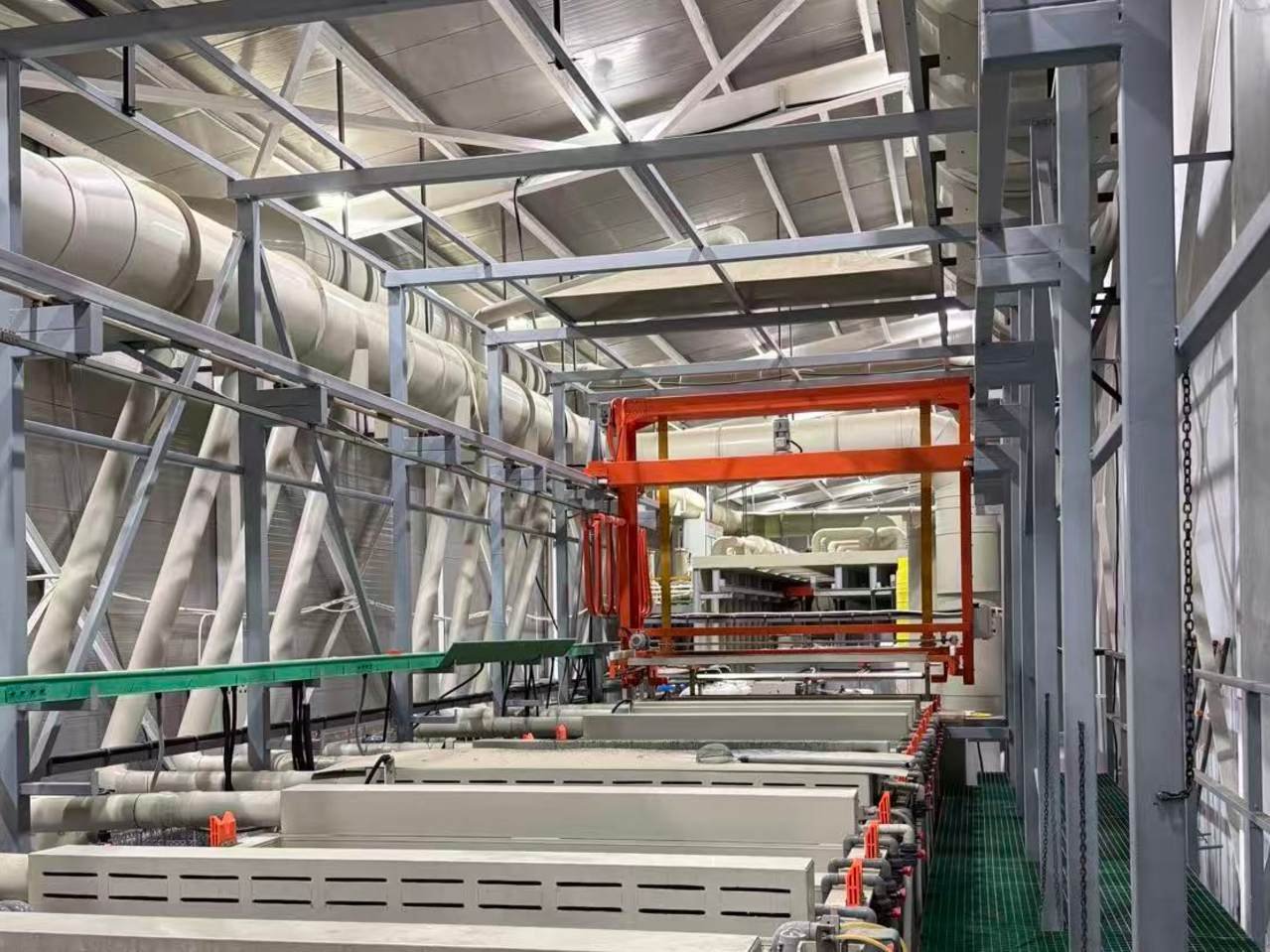
Nickel Plating Line
Automatic nickel plating production line for high-volume industrial applications.
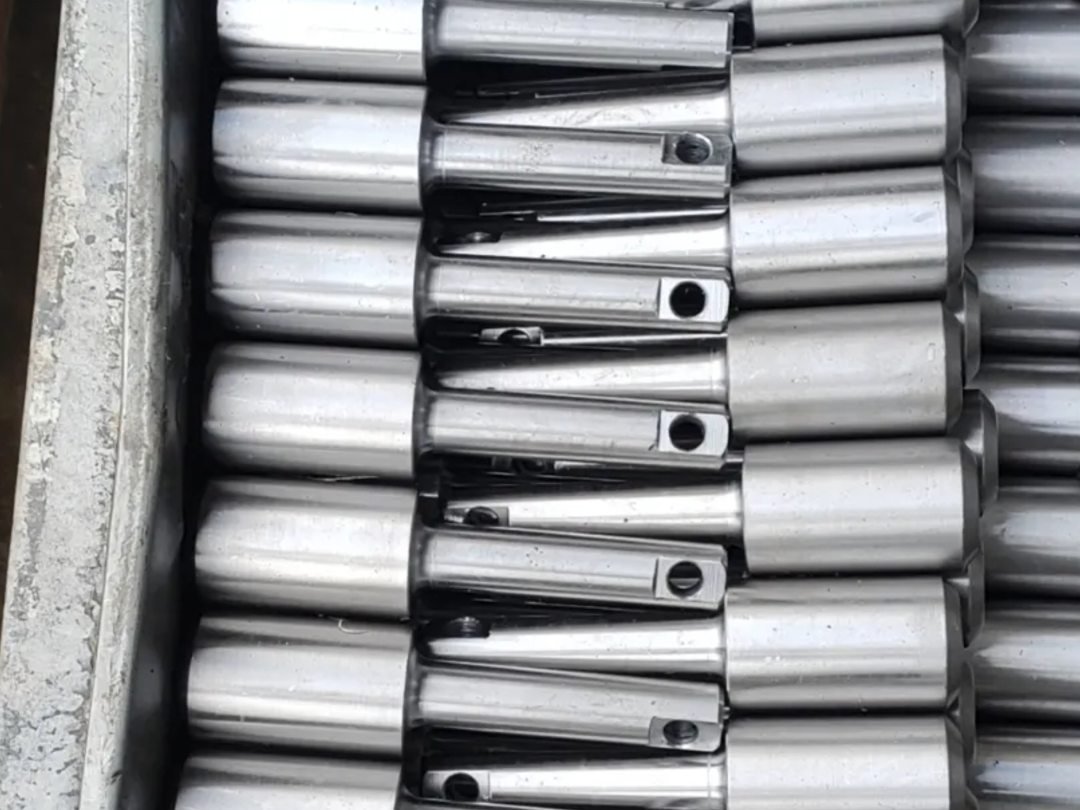
Finished Nickel Plated Parts
Bright nickel finish with excellent corrosion & wear resistance.
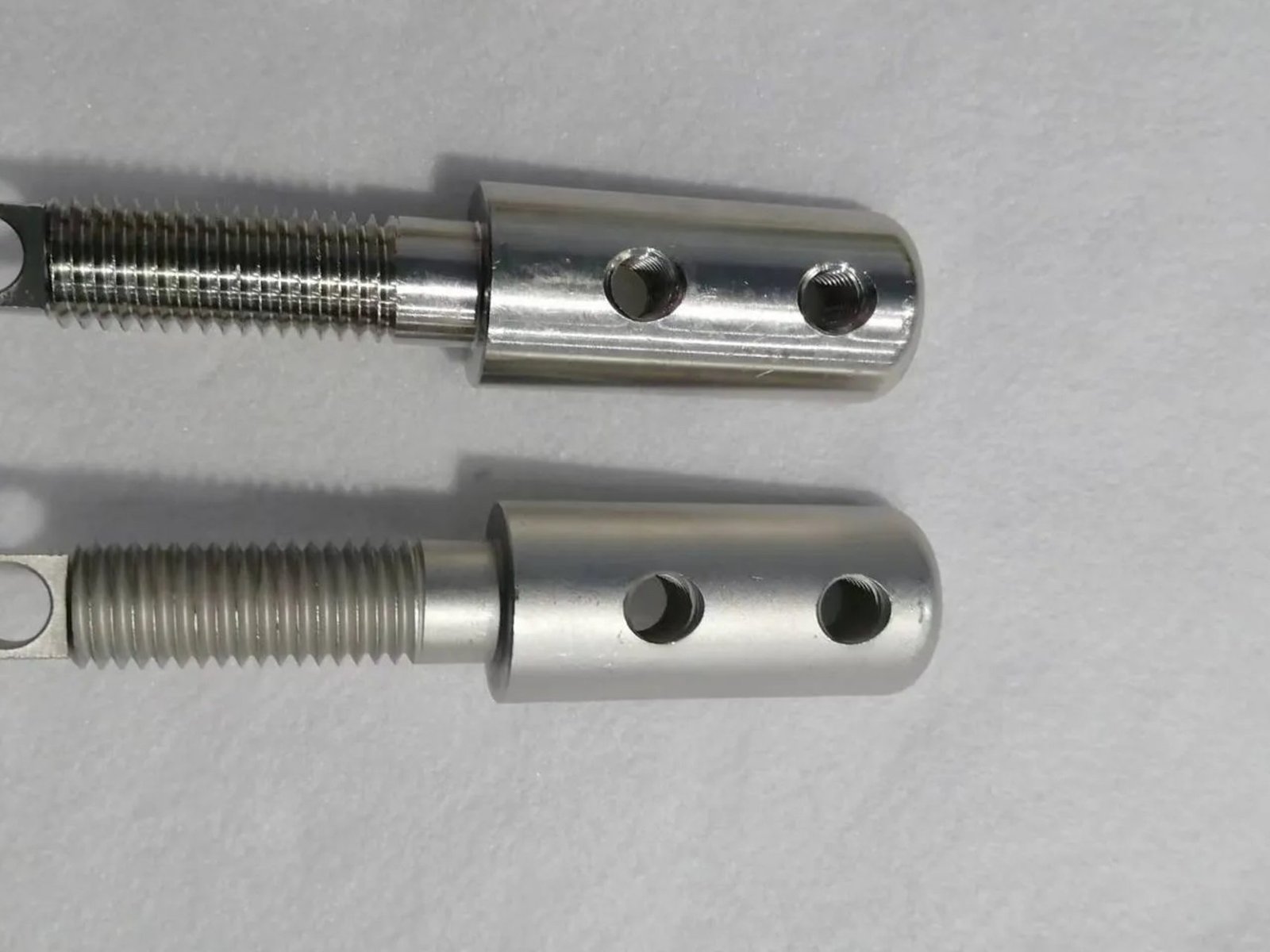
Electroless Nickel Plating
Uniform coating on complex geometries for precision components.
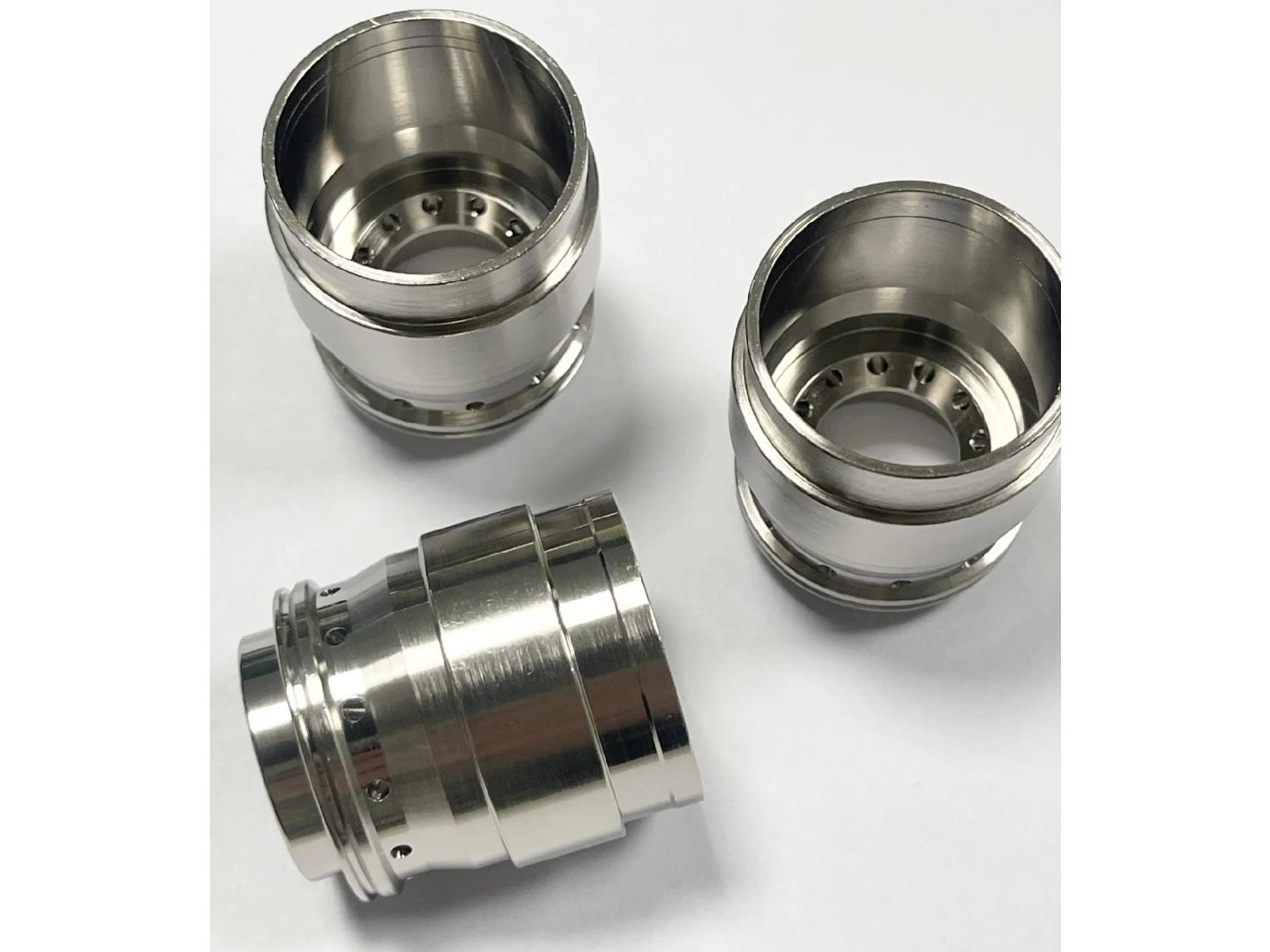
Automotive Parts
Nickel-plated automotive components for durability and performance.
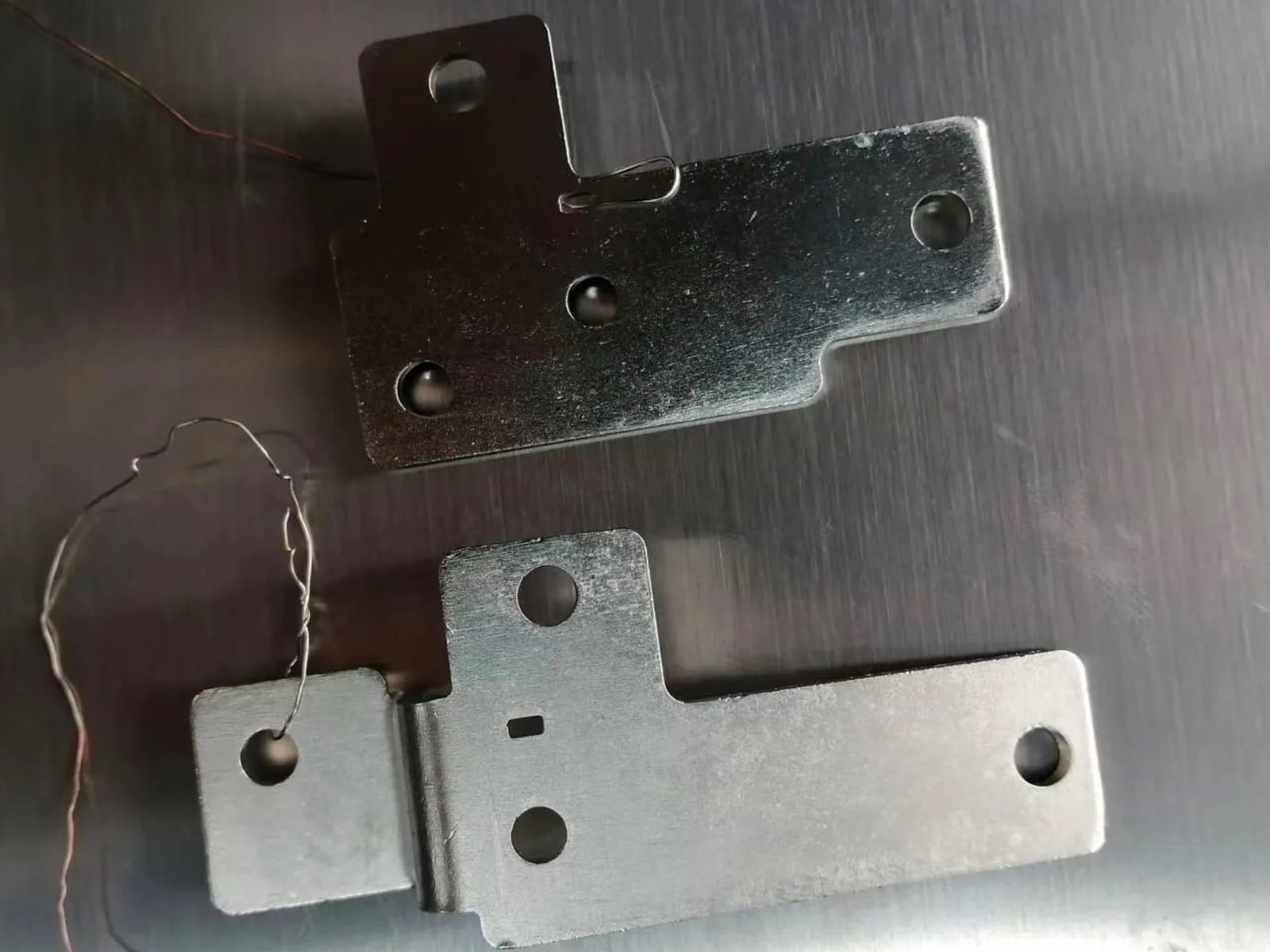
Nickel Plating for Hardware
Nickel-plated hardware components for durability and corrosion resistance.
Products Plated by Rotary Barrel Line
Small parts plated in bulk with our rotary barrel plating lines
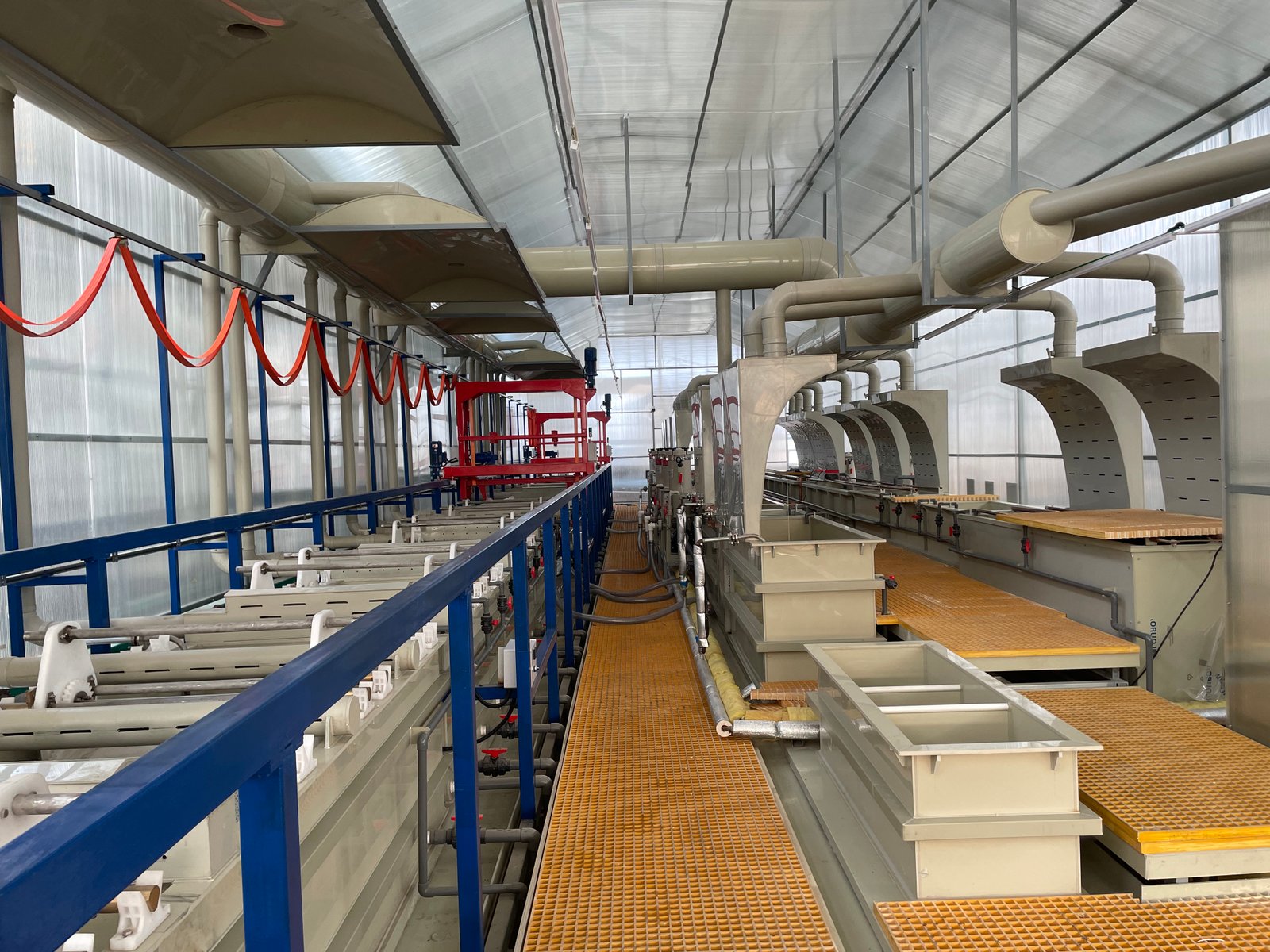
Barrel Nickel Plating
Rotary barrel line for bulk nickel plating of small parts.
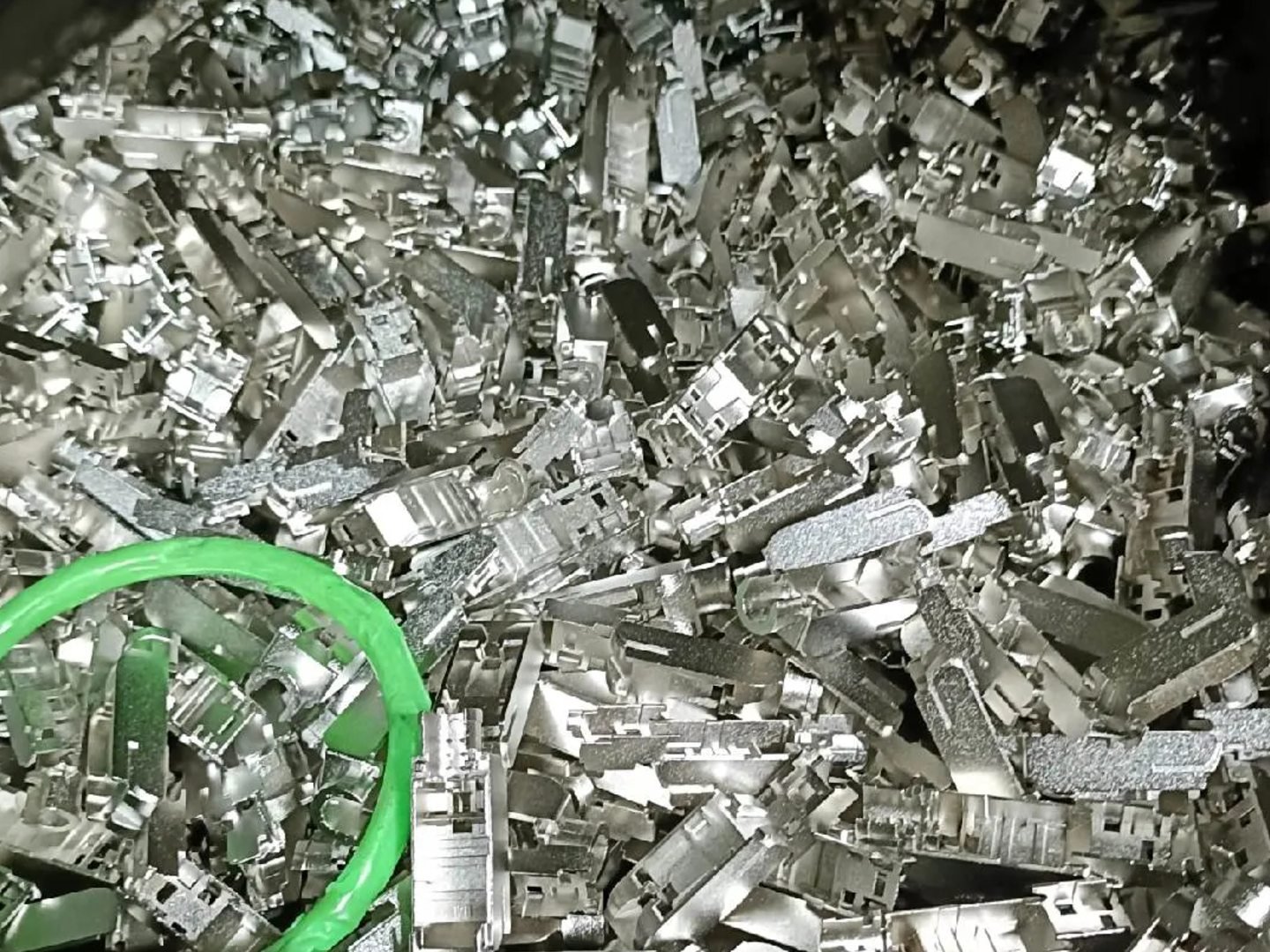
Barrel Nickel Plated Products
Small parts nickel plated in bulk via rotary barrel line.
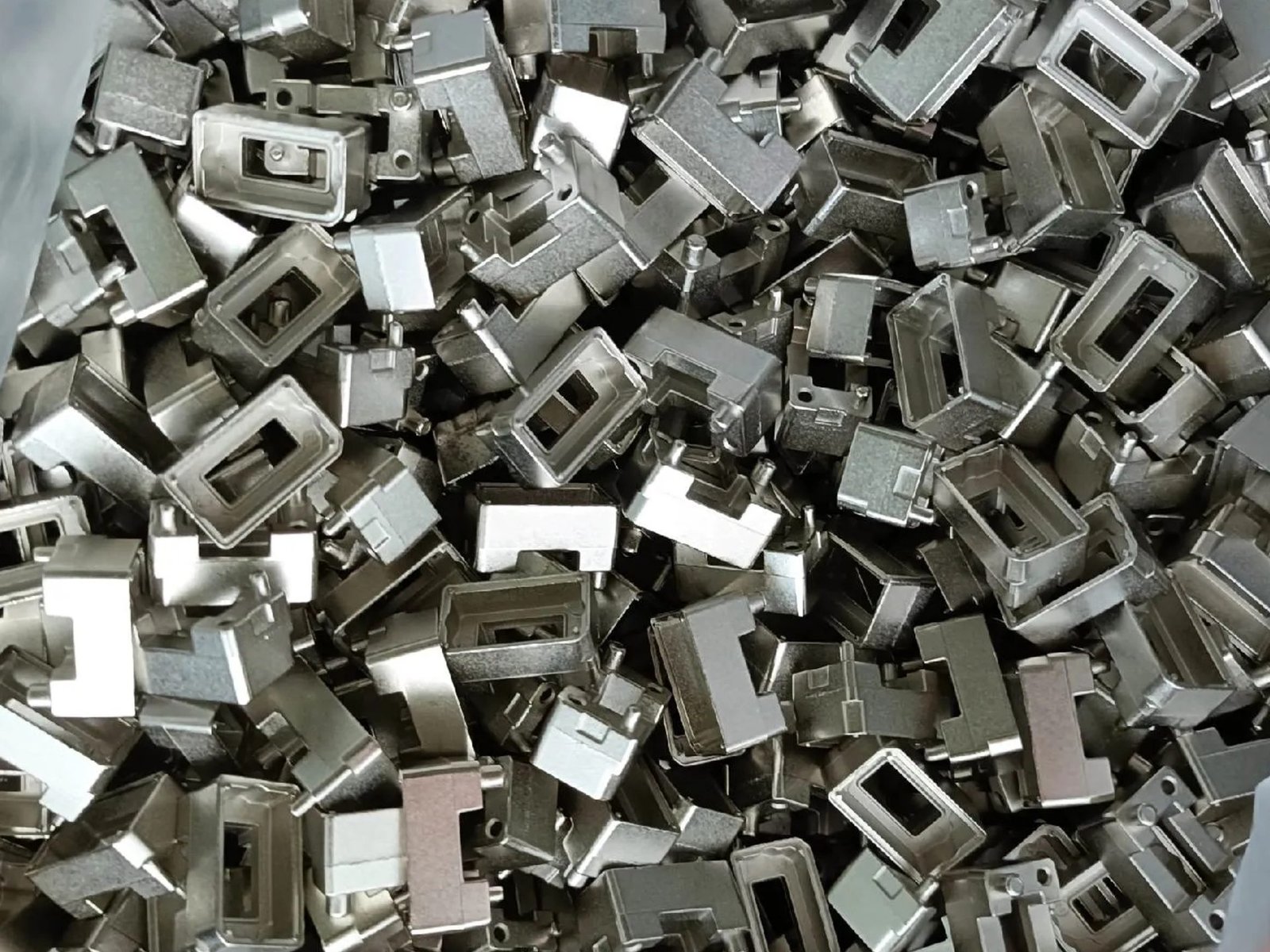
Barrel Nickel Plated Fasteners
Fasteners & small hardware with uniform nickel coating.
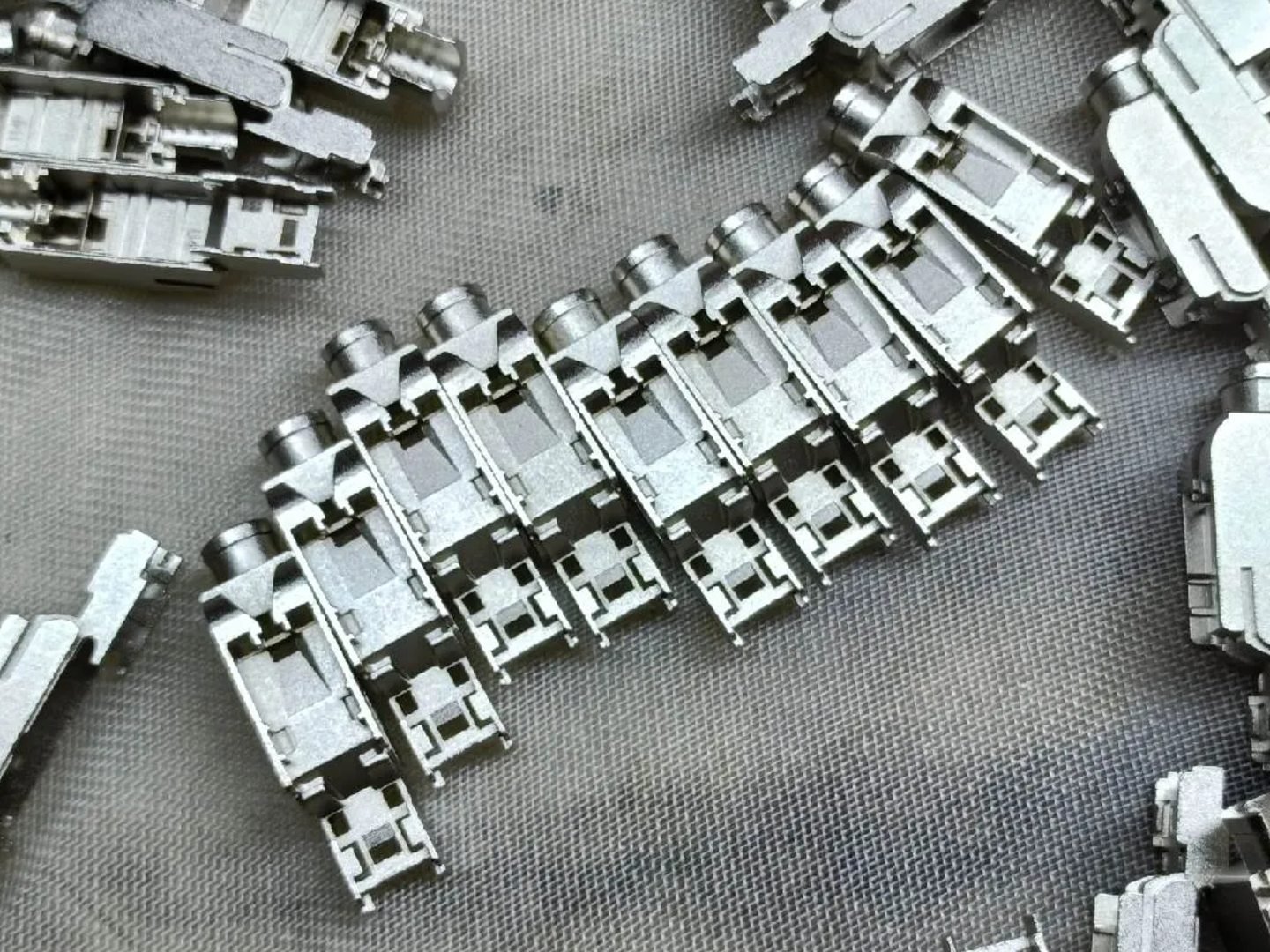
Barrel Nickel Plated Parts
Consistent bright nickel finish across all parts in batch.
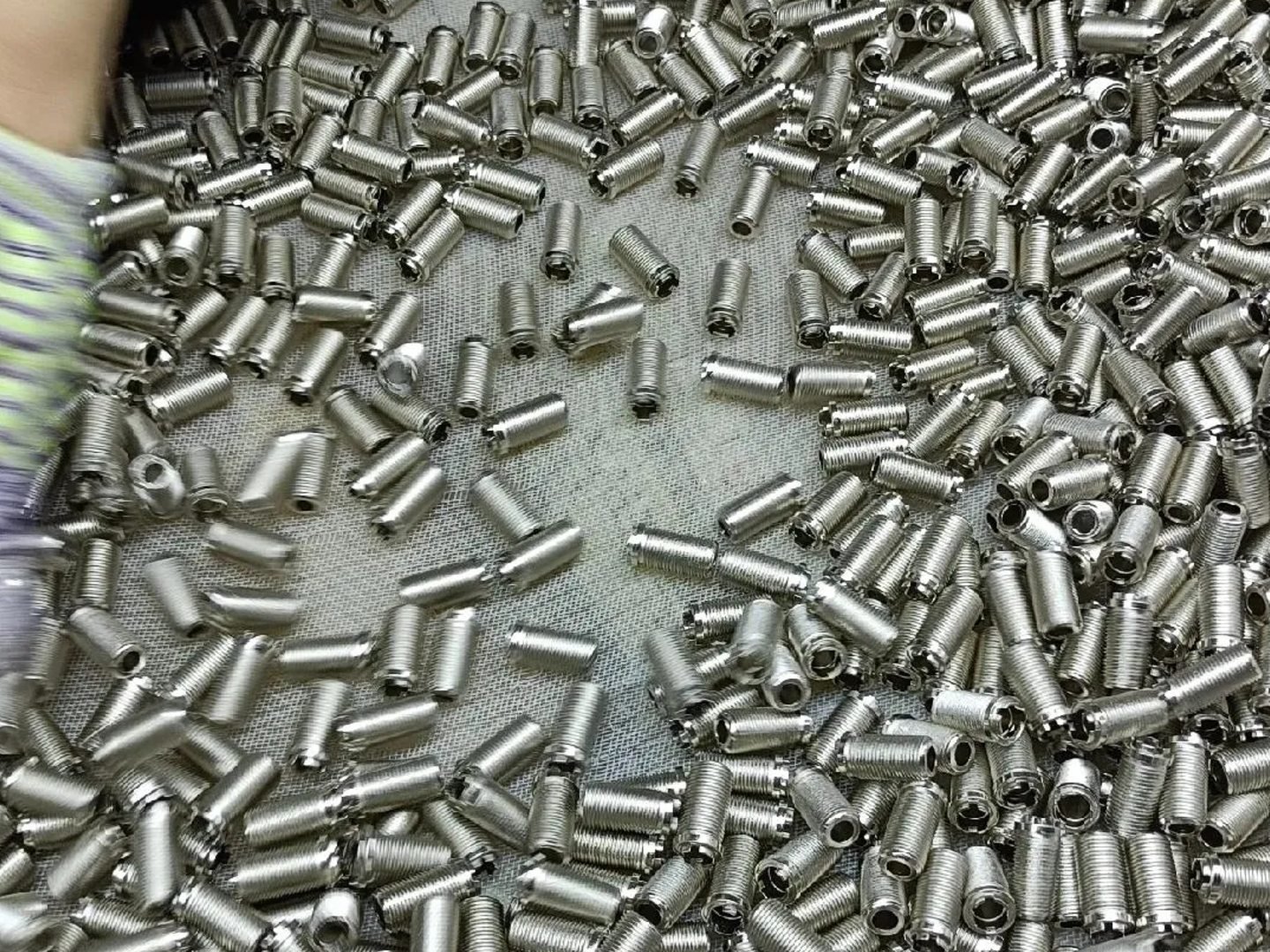
Barrel Nickel Plating Process
Rotary barrel nickel plating in action during production.
Need a Nickel Plating Line?
Tell us your requirements — parts type, production volume and process preference. We'll design the right nickel plating solution within 24 hours.